


China
5,000 years of civilization, eight cuisines, and landscapes that don’t look real until you stand in them
China rewards travelers who plan ahead. The country is enormous and the highlights are spread across four time zones’ worth of geography, from the Mongolian steppe to the South China Sea. A first trip typically follows the classic route — Beijing for the Great Wall, Xi’an for the Terracotta Army, the Yangtze for a river cruise, and Shanghai to finish — but ambitious travelers can keep going for weeks and not run out of bucket-list moments.
Gallery
Places To Go
The Classic Cities
Beijing: The political and historical heart of China. Tiananmen Square, the Forbidden City, the Temple of Heaven, the Summer Palace, and the most-photographed sections of the Great Wall an hour or two away. Plan 3–4 days minimum.
Xi’an: Once the capital of 13 dynasties and the eastern terminus of the Silk Road. The Terracotta Army warrants its own half-day; the city walls and Muslim Quarter night markets are the other essentials.
Shanghai: The Bund waterfront, the Pudong skyline across the Huangpu River, French Concession lanes, and some of Asia’s best contemporary art museums. Modern, glittering, and easier for first-time visitors than Beijing.
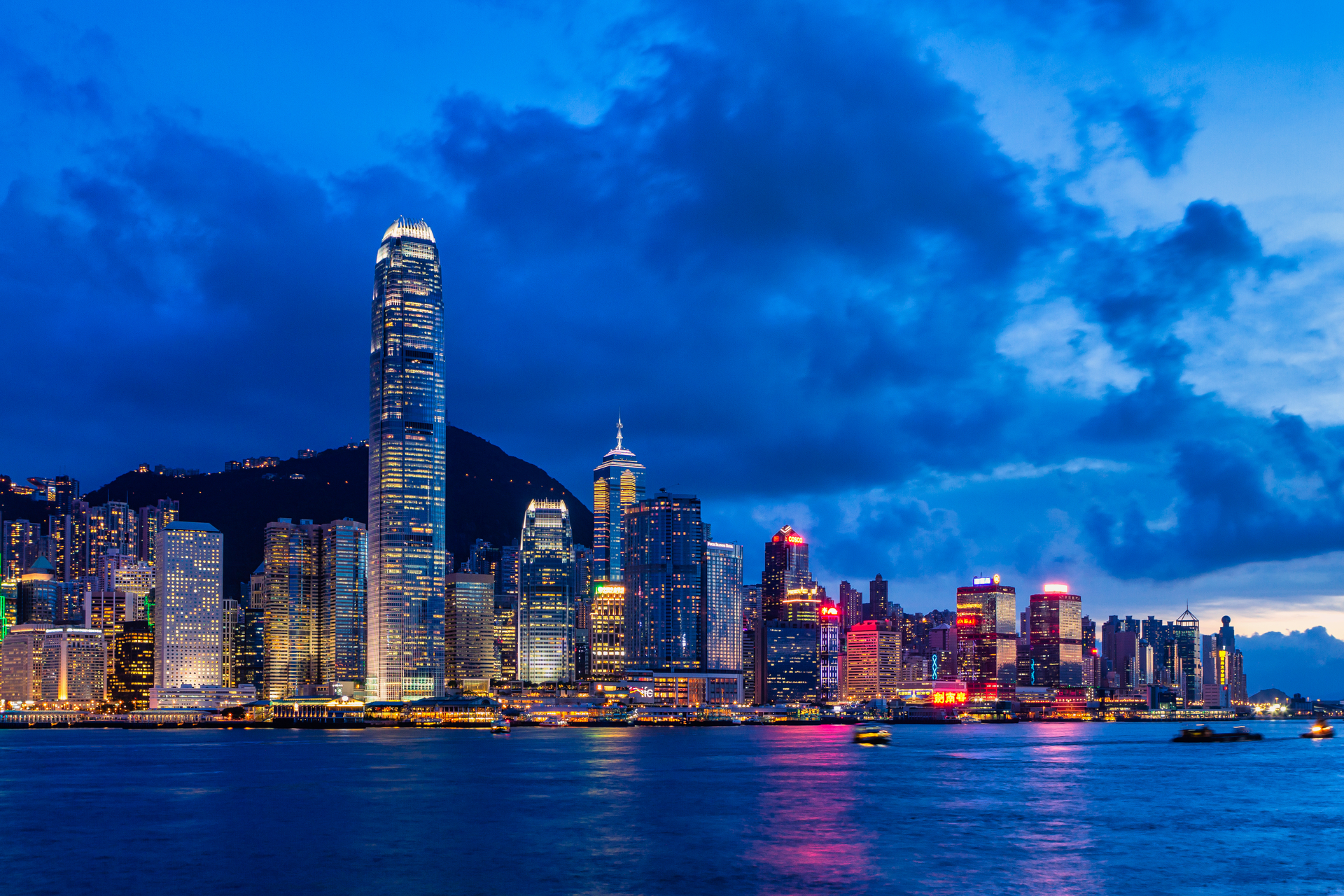
Hong Kong: Technically a Special Administrative Region with its own visa rules, but a logical bookend to a China trip. Victoria Peak, Star Ferry, Tsim Sha Tsui skyline, and the dim sum and street food of Sham Shui Po.
The Great Wall
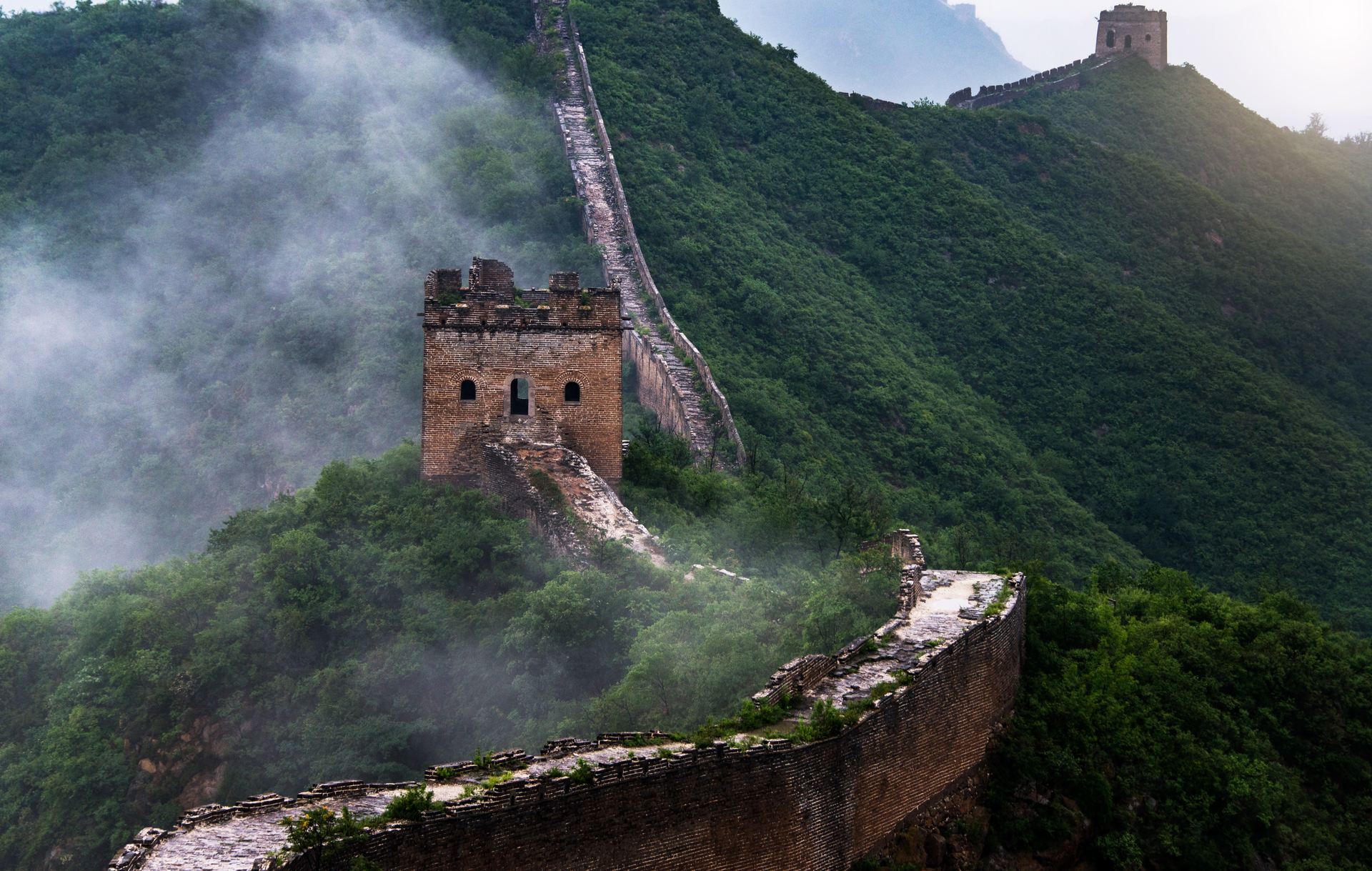
Not one wall but many, built and rebuilt over 2,000 years. The most-visited sections are within a day trip of Beijing:
- Mutianyu: Best-restored, cable car up, toboggan down, lighter crowds than Badaling. The most popular agent-recommended choice.
- Badaling: Closest to Beijing, most accessible, and consequently the most crowded.
- Jinshanling & Simatai: Partially restored, partially “wild,” for travelers who want a hiking experience without the crowds.
Natural Landscapes
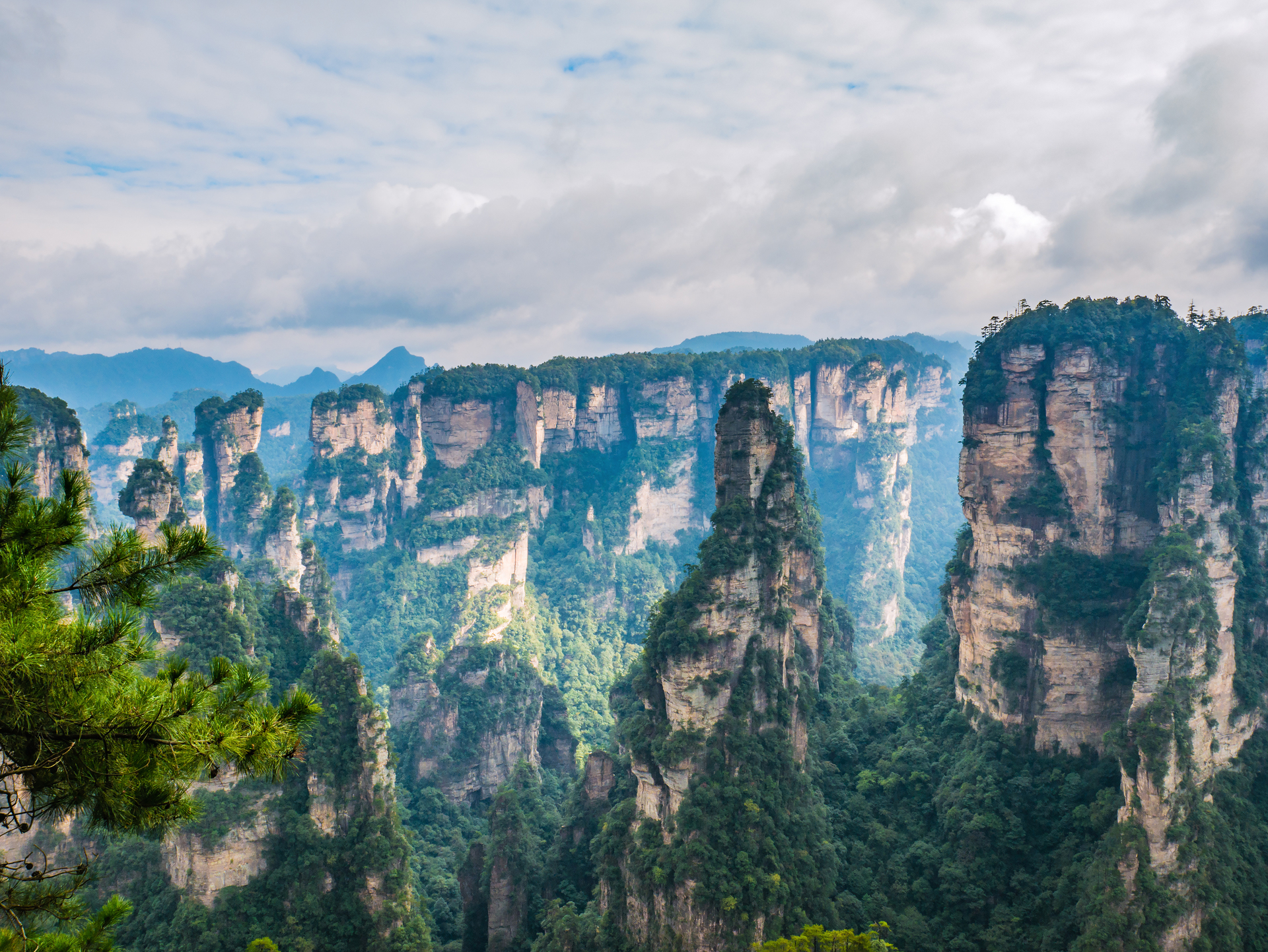
Zhangjiajie / Yuanjiajie (“Avatar Mountains”): The sandstone pillars in Hunan that inspired the floating mountains of Pandora. Glass skywalks, gondolas, and one of the most distinctive landscapes on earth.
Guilin & Yangshuo: Karst peaks rising out of the Li River. Bamboo-raft cruises, cycling through rice paddies, and the cormorant fishermen on the river at dusk.
Jiuzhaigou Valley, Sichuan: Turquoise lakes, multi-tiered waterfalls, and snow-capped peaks. Best in fall when the foliage turns.
Yangtze River: The third-longest river in the world. River-cruise sailings between Chongqing and Yichang pass through the Three Gorges over 3–5 days.
Cultural & Historic Towns
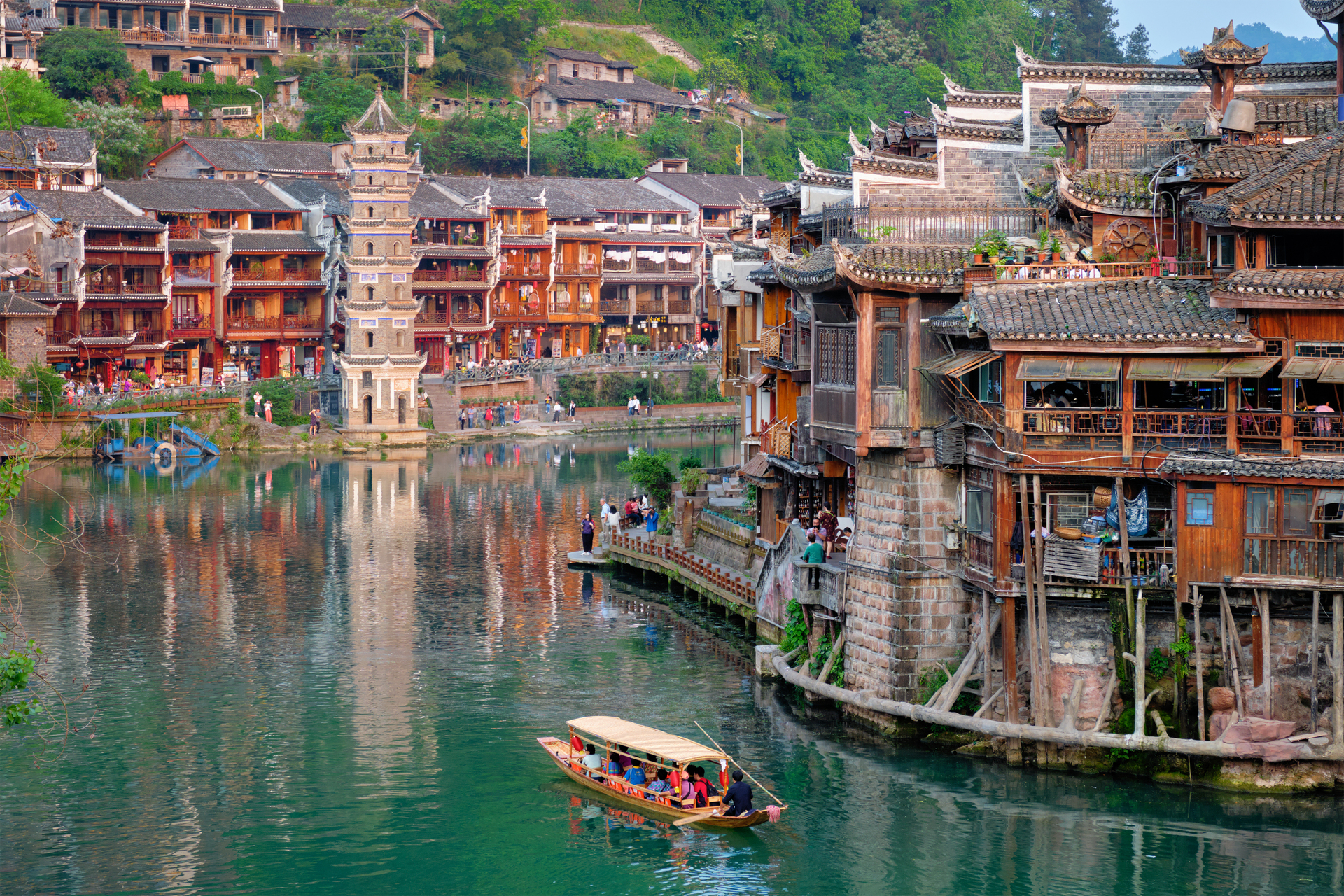
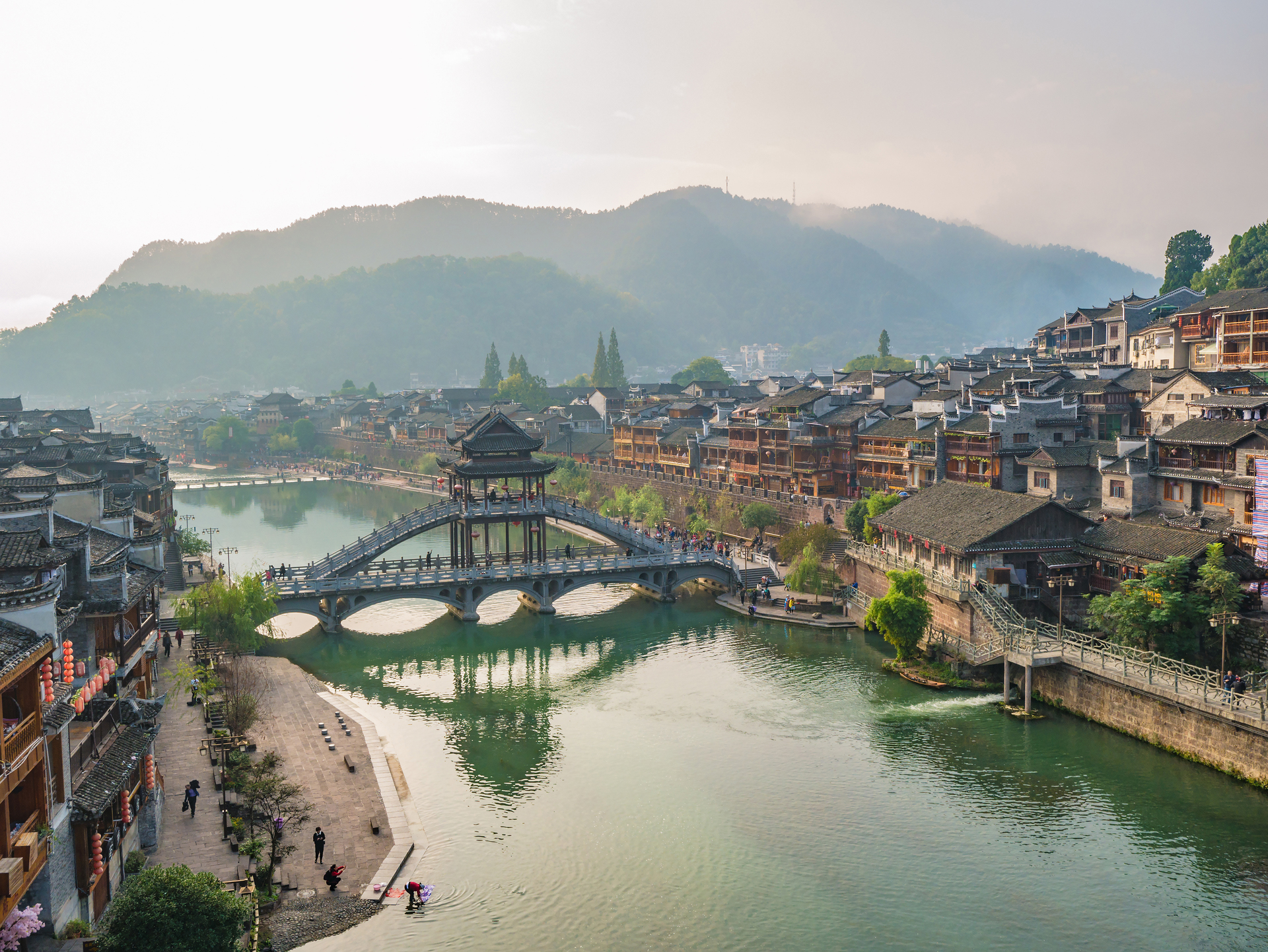
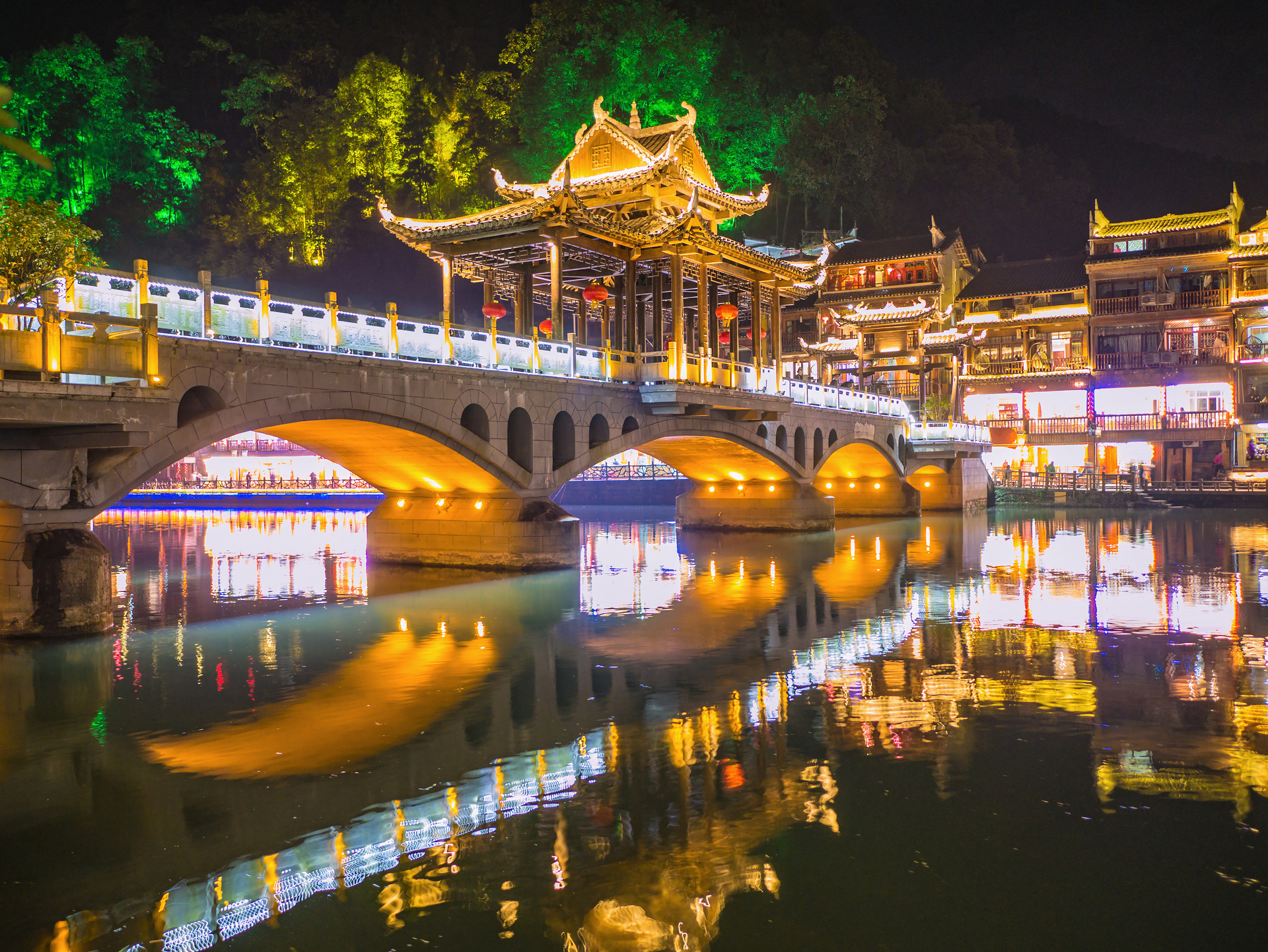
Fenghuang (Phoenix Ancient Town): Stilt houses overhanging the Tuojiang River in western Hunan. Especially atmospheric at night when the lanterns light up.
Pingyao: A walled Ming-dynasty city in Shanxi, preserved in remarkable detail. UNESCO World Heritage Site.
Lijiang & Dali, Yunnan: Naxi-minority old town, snow-capped mountains, and tea horses.
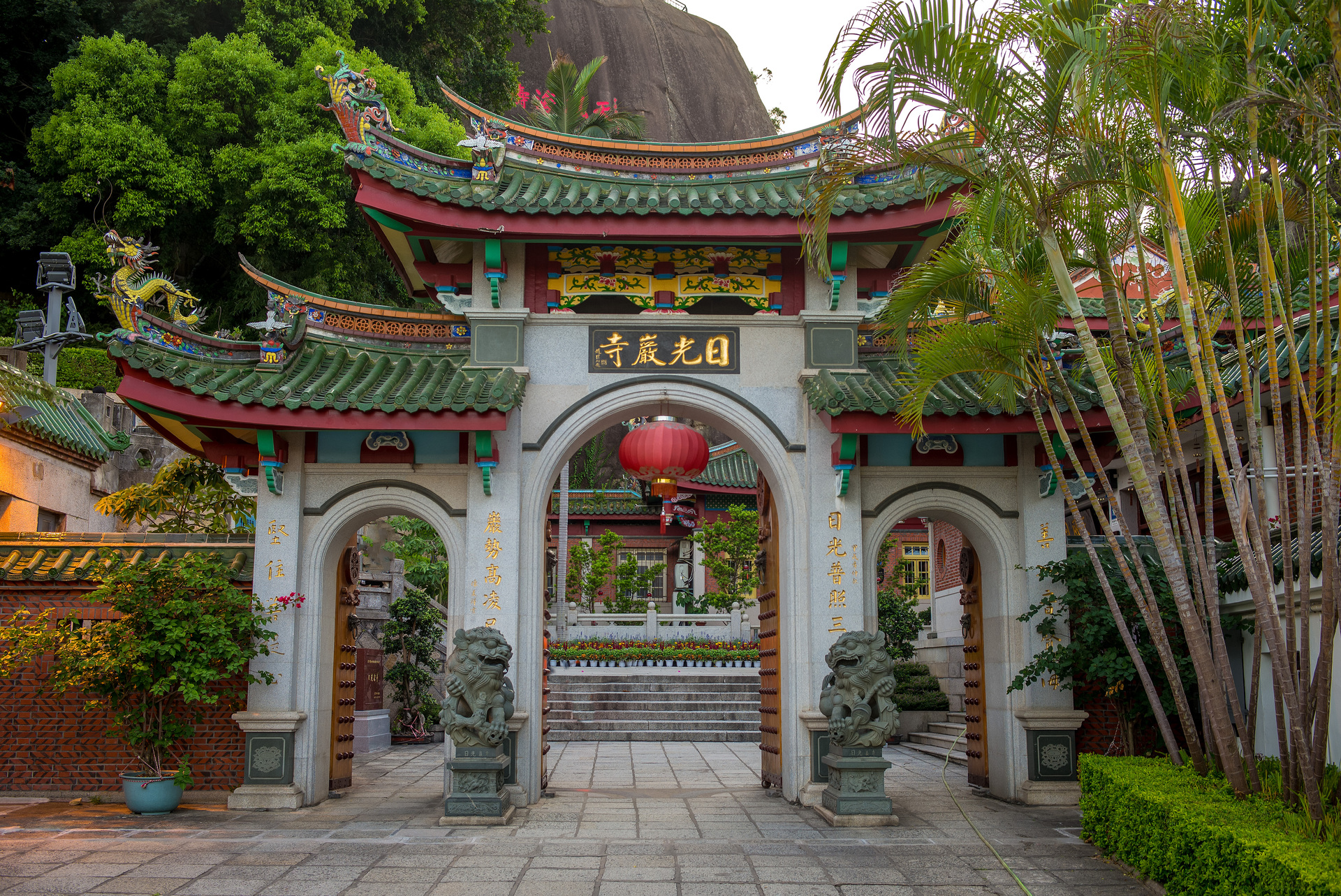
Xiamen & Gulangyu Island: Coastal Fujian charm. Gulangyu (where the Sunlight Rock Temple stands) is a pedestrian-only colonial-era island.
Seasonal & Specialty
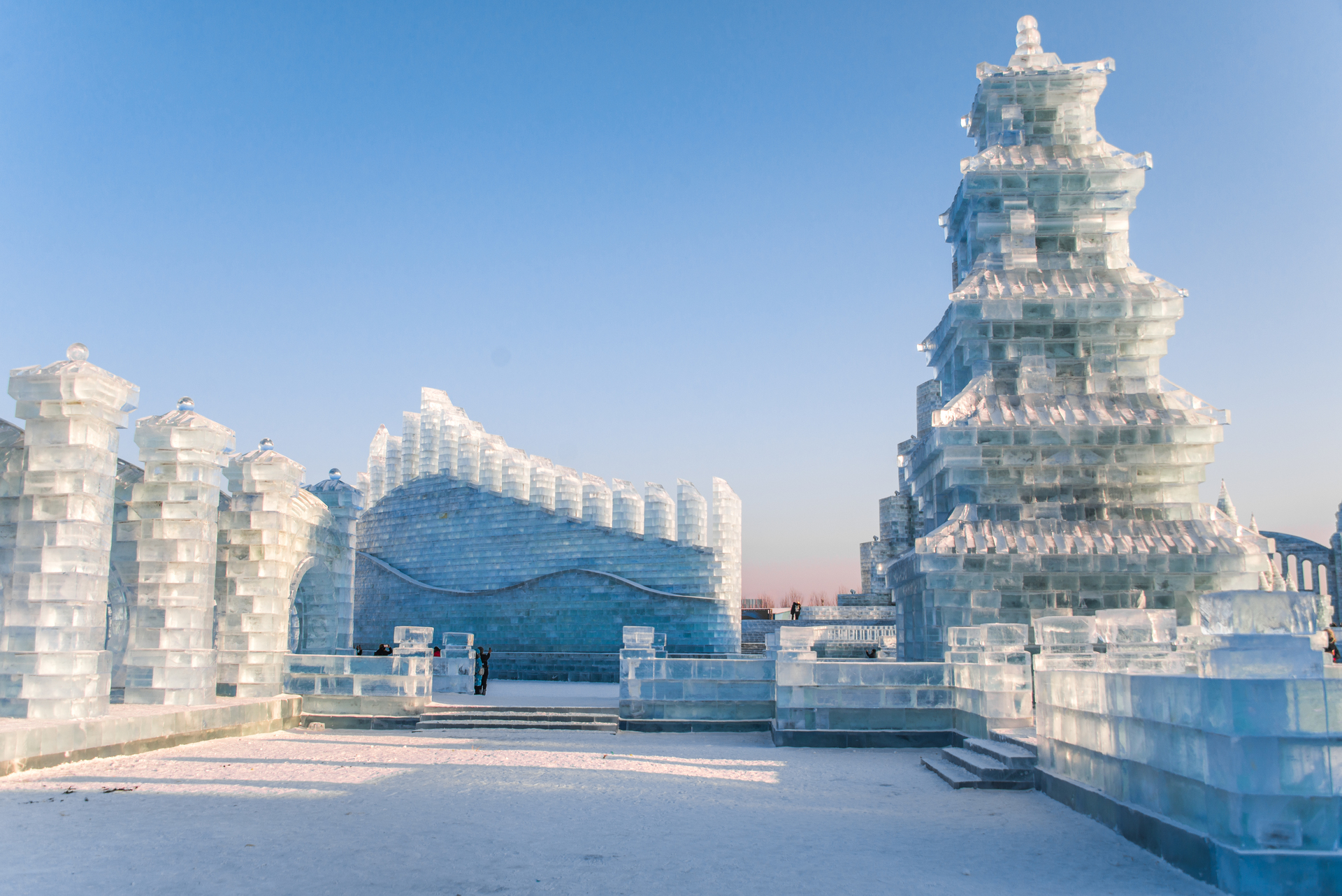
Harbin Ice & Snow Sculpture Festival: January–February in northeast China. Building-sized illuminated ice sculptures and full-scale castle replicas, in temperatures that often hit -20°F. Dress accordingly.
Chengdu & the panda bases: Sichuan’s capital, home to the giant panda research centers at Chengdu and Dujiangyan. Early-morning visits are when the pandas are most active.
Tibet (Lhasa): Special permits required. The Potala Palace, Jokhang Temple, and the highest railway in the world from Xining.
Things to See
The Iconic Five
The Great Wall: Walk a section, don’t just look at it from a viewpoint. An hour or two on the wall changes how you understand the country.
The Forbidden City, Beijing: 980 surviving buildings of the imperial palace complex. Allow half a day; enter from the south (Meridian Gate) and exit north into Jingshan Park for the best photo of the rooftops.
The Terracotta Army, Xi’an: Three pits, 8,000+ life-sized figures, each face uniquely modeled. Pit 1 is the iconic shot; Pit 3 has the command post.
The Bund & Pudong Skyline, Shanghai: 1920s European architecture on one side of the river, futuristic skyscrapers on the other. Best after dark when both are lit.
The Yangtze Three Gorges: Most river cruises pass through them on day 2 or 3 of the sailing.
Things to Do
- Yangtze River cruise — 3–5 nights between Chongqing and Yichang, or longer multi-week sailings on Viking or Uniworld
- High-speed rail between cities — Beijing to Shanghai in under 5 hours at 220 mph
- Tea ceremony at a traditional teahouse in Hangzhou or Chengdu
- Calligraphy or jianzhi (paper-cutting) workshop in Beijing or Suzhou
- Acrobatics show in Beijing or Shanghai
- Cooking class focused on regional cuisine (Sichuan in Chengdu, Cantonese in Hong Kong, dumplings in Xi’an)
- Bicycle the Xi’an city walls at sunset
- Day trip to a panda research base outside Chengdu
Notable Places to Stay
Beijing
The Peninsula Beijing: Steps from Wangfujing and the Forbidden City. The standard-bearer for grand-hotel service in the capital.
Aman Summer Palace: A walled retreat literally adjacent to the imperial Summer Palace gardens. Private access to the grounds before opening hours.
Shanghai
The Peninsula Shanghai: On the Bund with art-deco styling and Huangpu River views.
Capella Shanghai, Jian Ye Li: Restored 1930s French Concession lane houses turned into villa suites — the quietest luxury hotel in the city.
Hong Kong
The Peninsula Hong Kong: The grand dame, established 1928. Afternoon tea in the lobby is a tradition worth keeping.
The Upper House: Modern, design-forward, with stunning views over Victoria Harbour.
Beyond the cities
Amanfayun, Hangzhou: Restored village houses set among tea plantations on the edge of West Lake.
Six Senses Qing Cheng Mountain: Wellness retreat in the Sichuan foothills near Chengdu.
Dining Musts
Peking duck: The classic Beijing dish — crisp-skinned, hand-carved, served with thin pancakes, scallions, cucumber, and hoisin. Quanjude and Da Dong are the best-known spots.
Xiaolongbao (soup dumplings): Shanghai’s signature. Din Tai Fung is reliable; local spots like Jia Jia Tang Bao are more authentic.
Sichuan hot pot: Chengdu and Chongqing are ground zero for this numbing, spicy communal meal.
Dim sum: A Hong Kong / Cantonese tradition — small steamed or fried dishes served with tea, mostly at breakfast and lunch.
Hand-pulled noodles & Muslim-quarter food, Xi’an: Biang biang noodles, yang rou pao mo (lamb stew with torn flatbread), and roujiamo (the “Chinese hamburger”).
Tea: Longjing (Dragon Well) from Hangzhou and pu’er from Yunnan are the two most-recognized regional varieties.
When to Visit
Spring (April–May): Mild weather, blooming gardens, comfortable for sightseeing. Crowds increase as Golden Week approaches in early May.
Fall (September–October): Most agents’ favorite season. Clear skies, comfortable temperatures, fall foliage in places like Jiuzhaigou. Avoid the first week of October (National Day Golden Week — busiest travel week of the year).
Summer (June–August): Hot, humid, and frequently rainy in the south. Best for far-northern destinations or specifically for Tibet (clearest skies and warmest temps).
Winter (November–March): The lowest prices and fewest tourists. Cold but workable in Beijing. Essential for the Harbin Ice Festival.
Avoid: Chinese New Year (late January or February) and the first week of October — the entire country travels at once.