


Central America
Rainforests, reefs, ruins, and the kind of warmth you can only experience in person
Seven small countries linking North and South America, packed with more biodiversity per square mile than almost anywhere on earth. Cloud forests of Costa Rica, the second-largest barrier reef in the world off Belize, Mayan pyramids in Guatemala, colonial cities in Nicaragua, and the Panama Canal at the southern hinge. Short flights from the U.S., gentle prices compared with Europe or the South Pacific, and a year-round growing season that keeps the landscape impossibly green.
Gallery
Places To Go
Costa Rica
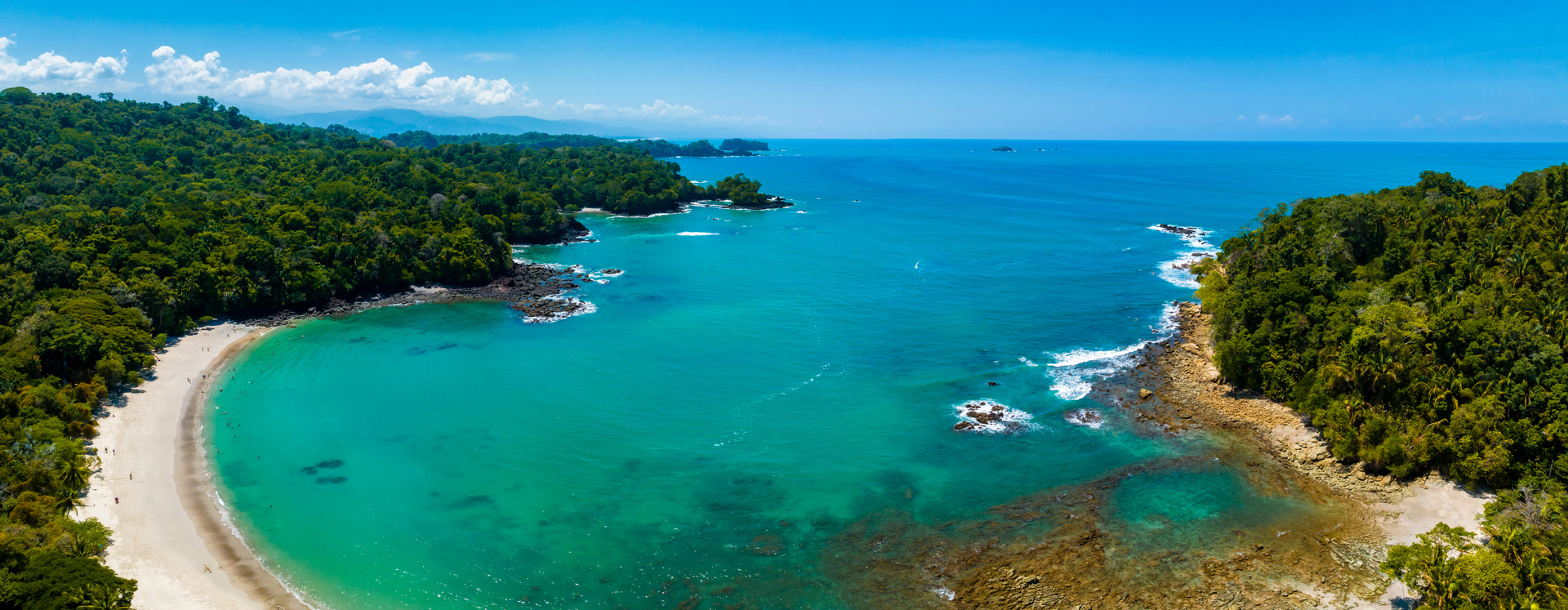
Manuel Antonio National Park: The most-visited park in the country — rainforest trails that end in white-sand beaches, with squirrel monkeys, sloths, and toucans along the way.
Arenal & La Fortuna: Volcano country. Hot springs, hanging bridges, zip-lines, and the perfect cone of Arenal looming over everything.
Monteverde Cloud Forest: Misty, high-altitude rainforest with hummingbird gardens, quetzal sightings, and some of the country’s best canopy tours.
Tamarindo & the Nicoya Peninsula: Pacific surf town, sea-turtle nesting beaches, and a string of small-luxury resorts and adults-only properties up the coast.
Belize
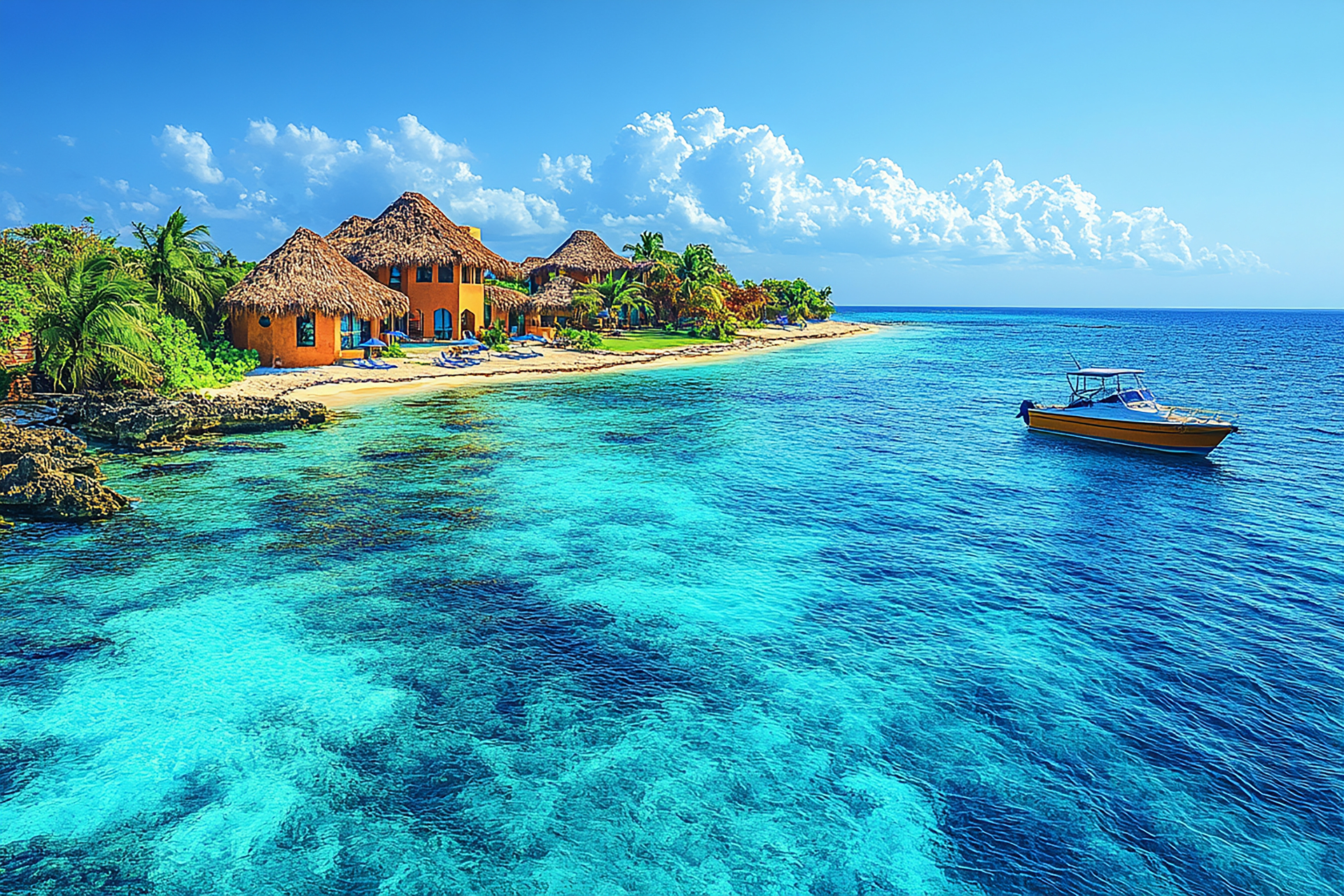
Ambergris Caye: Belize’s largest island, just inside the barrier reef. San Pedro is the main town — golf carts instead of cars, beach bars instead of nightlife. Snorkeling and diving at Hol Chan Marine Reserve, plus the Blue Hole day trip.
Caye Caulker: Smaller and quieter than Ambergris — the “go slow” island, where the pace really is unhurried.
Cayo District: Inland Belize, with Mayan ruins (Caracol, Xunantunich), cave tubing, and jungle lodges.
Guatemala
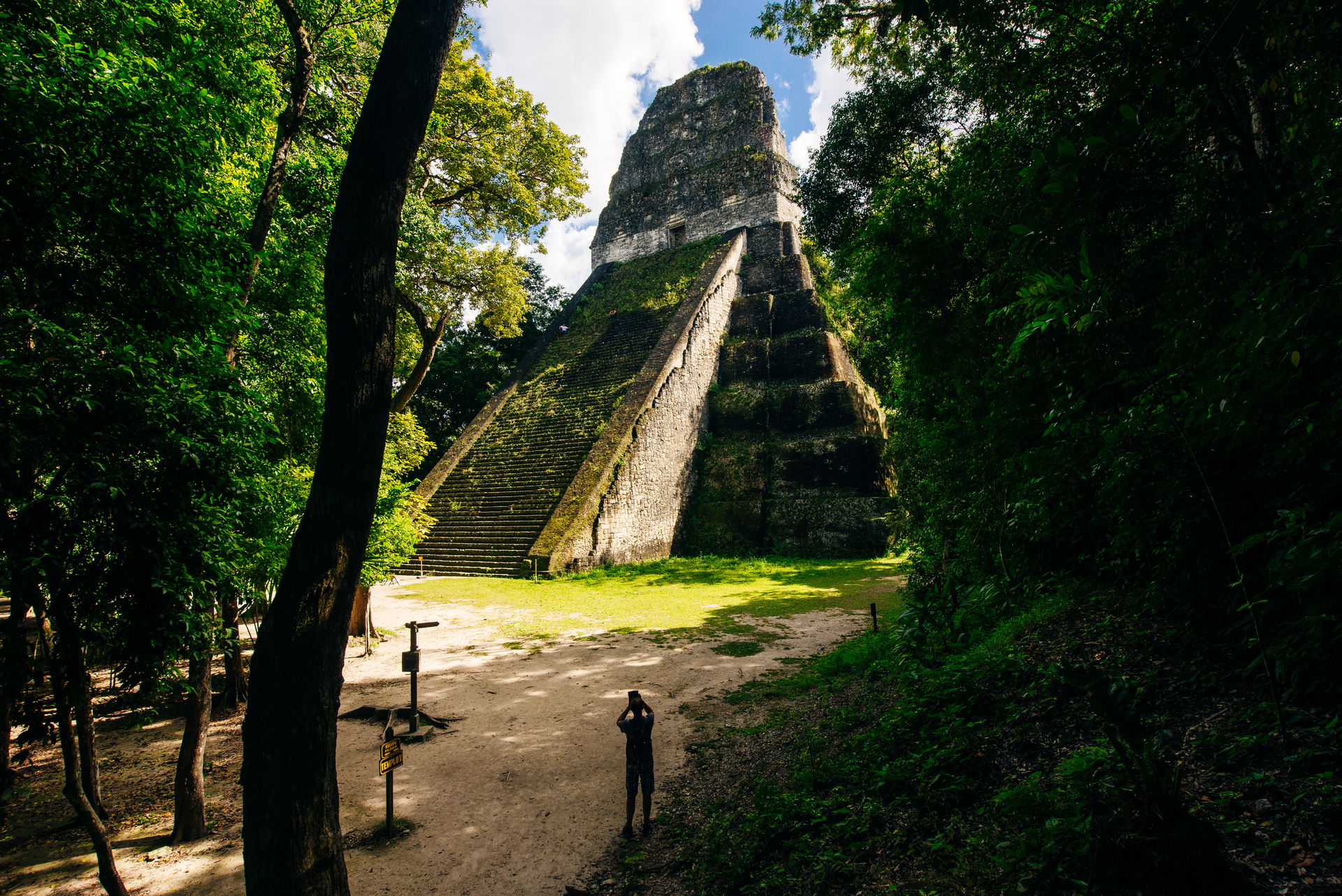
Tikal: The grandest Mayan site in the region — steep temple pyramids rising above the jungle canopy in the Petén. Sunrise from Temple IV is unforgettable.
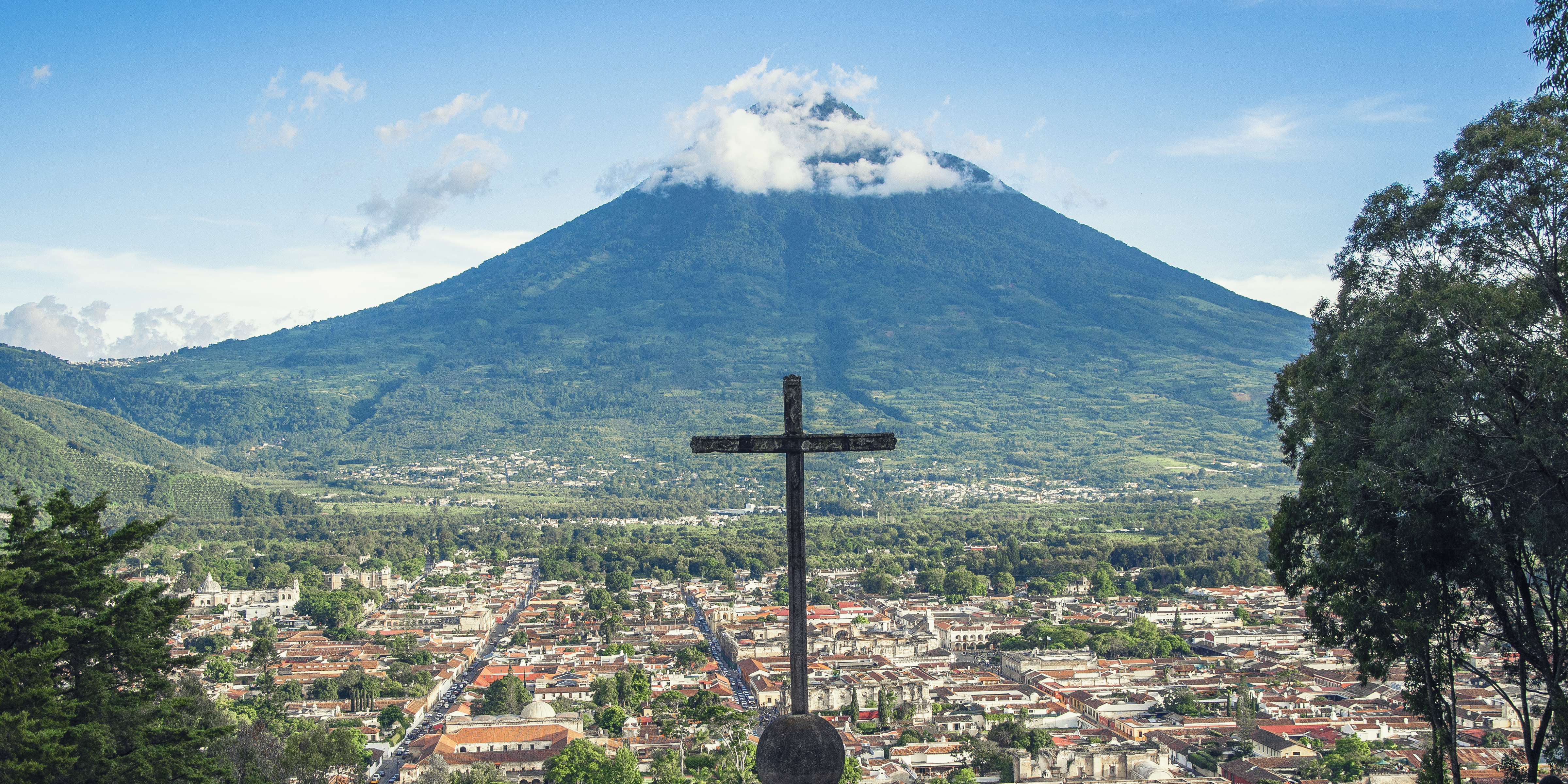
Antigua: Colonial-era former capital, cobblestone streets, baroque ruins, three volcanoes on the horizon, and one of the best language-immersion towns in the Americas.
Lake Atitlán: A crater lake ringed by Mayan villages and volcanoes. Each lakeshore town has its own character — San Pedro for backpackers, San Marcos for wellness retreats, Panajachel for the most amenities.
Nicaragua
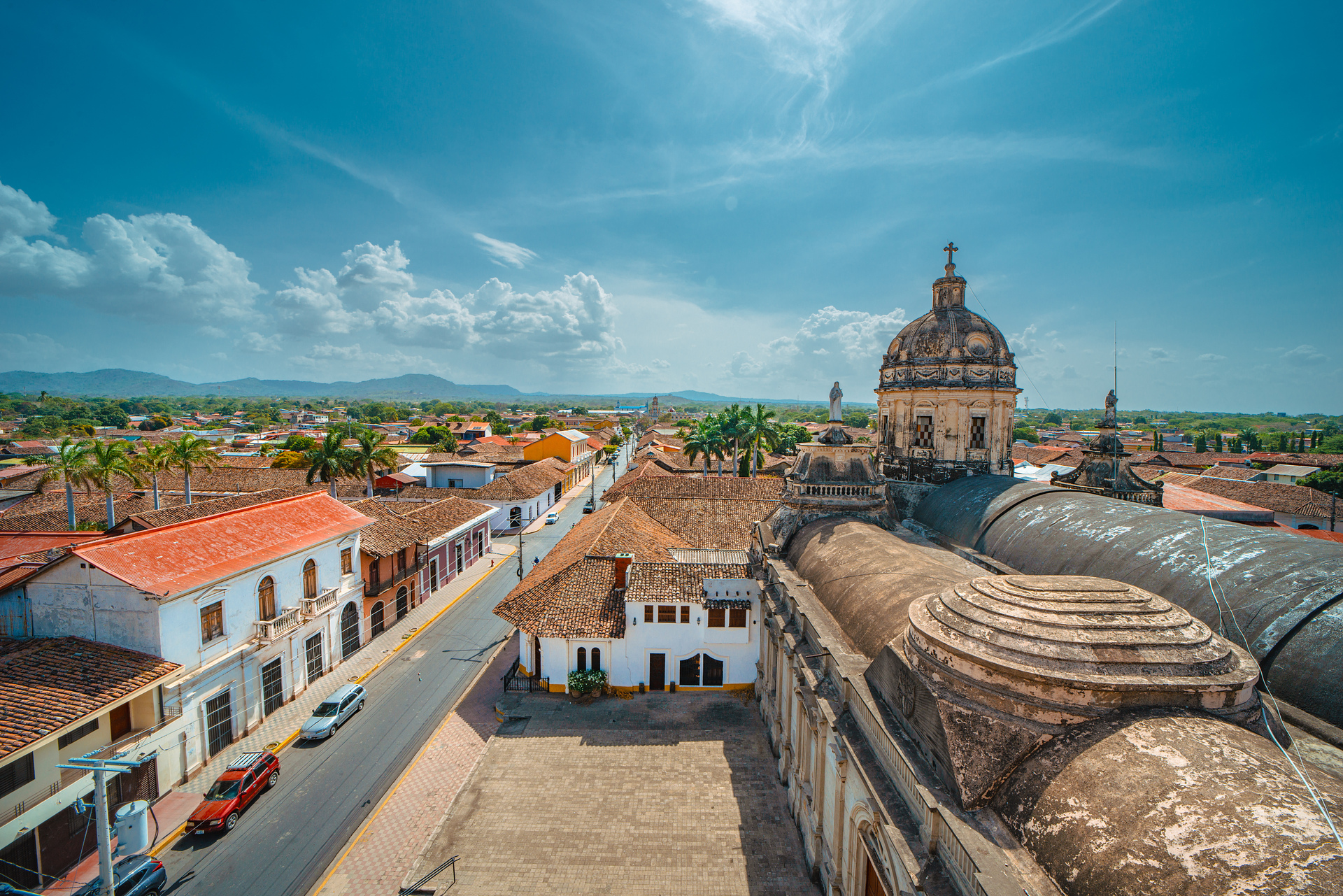
Granada: The oldest colonial city on the American mainland. Painted facades, horse-drawn carriages, and the dome of La Merced overlooking the rooftops at sunset.
Ometepe Island: Twin volcanoes rising out of Lake Nicaragua. Hiking, hot springs, and farm stays for adventurous travelers.
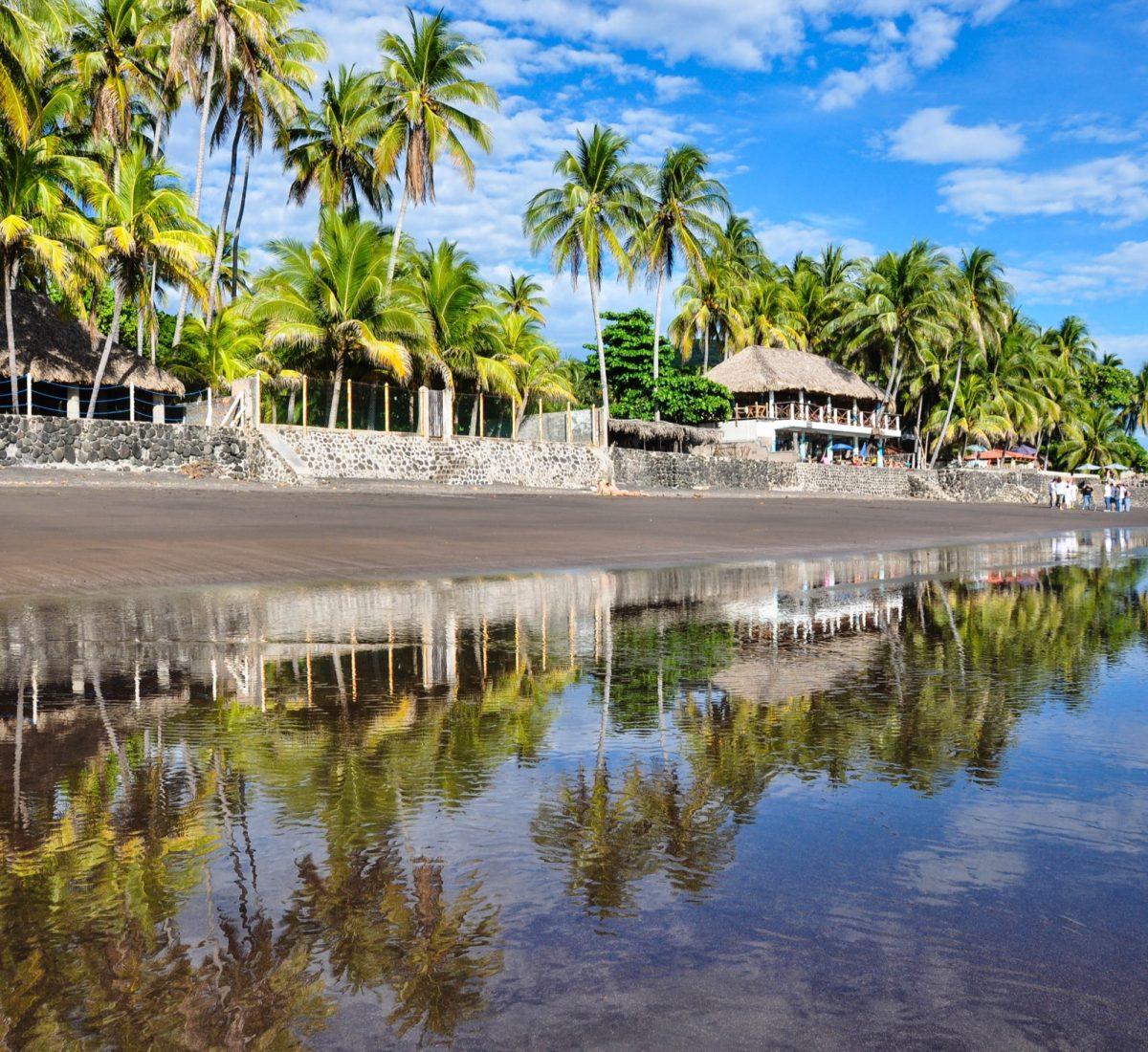
San Juan del Sur: Pacific surf town with horseshoe bay, beach restaurants, and easier access to less-developed beaches just up and down the coast.
Panama
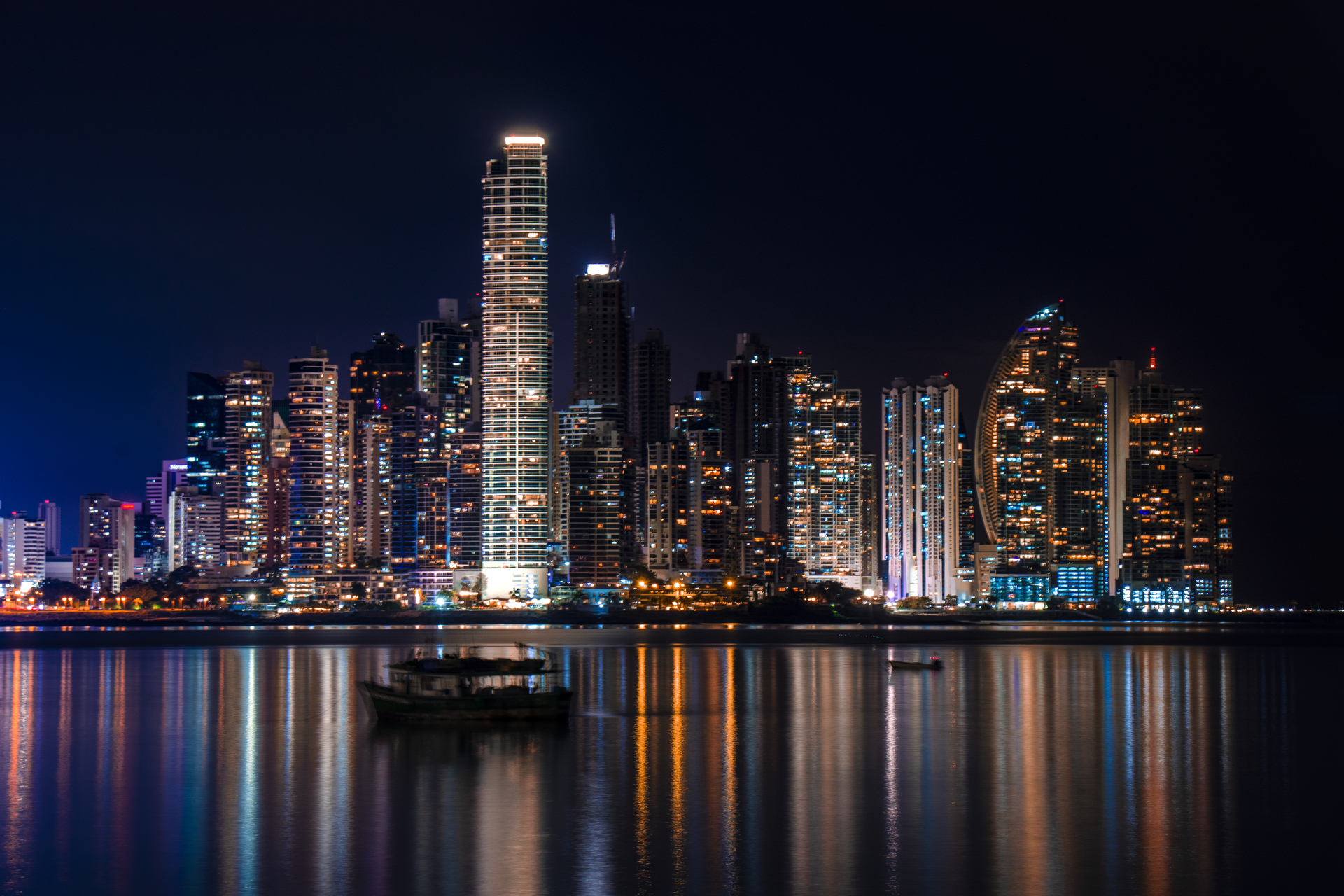
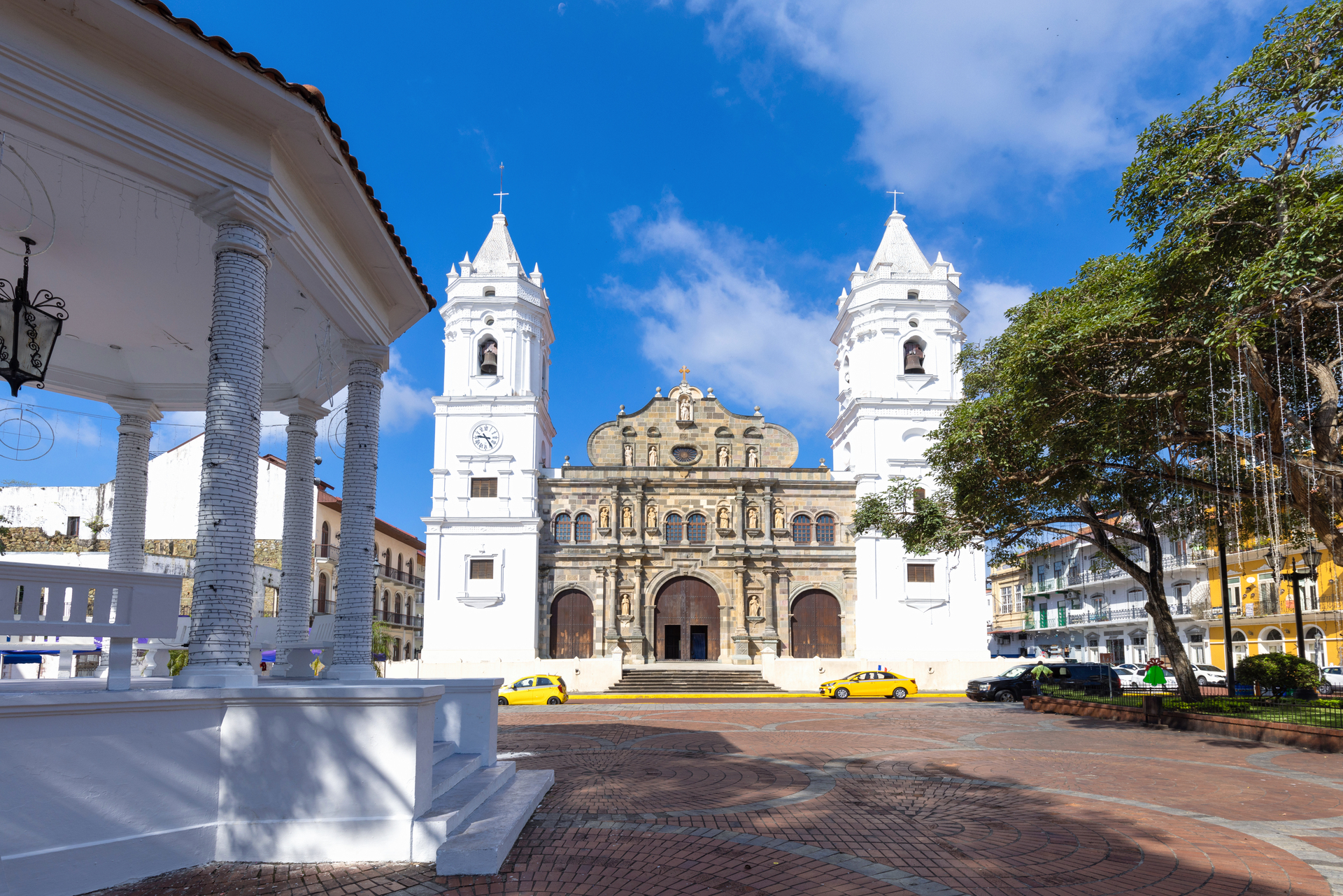
Panama City: Modern skyline and the colonial old quarter of Casco Viejo on the same peninsula. Rooftop bars, ceviche stands, and the canal a short drive away.
The Panama Canal: Day trips to the Miraflores Locks visitor center, or partial transits aboard small ships. Watching a 60,000-ton Panamax ship rise 85 feet in less than an hour never gets old.
Bocas del Toro: Caribbean archipelago on Panama’s north coast — thatched-roof overwater bars, surf breaks, and snorkeling with starfish.
Things to See
Wildlife & Nature
Mesoamerican Reef: The longest barrier reef in the Western Hemisphere, running along the Caribbean coast of Belize and parts of Honduras. World-class diving and snorkeling.
Sea turtle nesting beaches: Tortuguero on Costa Rica’s Caribbean coast (July–October) and Ostional on the Pacific (year-round with peak in October).
Cloud forests: Monteverde and San Gerardo de Dota in Costa Rica are the bucket-list spots for resplendent quetzals.
Sloths and monkeys: Manuel Antonio, Corcovado, and the Osa Peninsula in Costa Rica offer the most reliable sightings.
Ancient History
Tikal, Guatemala: UNESCO site, six major pyramids, the most-restored Mayan complex.
Copán, Honduras: Just over the border from Guatemala — intricate Mayan stelae and the famous Hieroglyphic Stairway.
Cara Sucia, El Salvador / Joya de Cerén: “The Pompeii of the Americas” — a Mayan farming village preserved under volcanic ash.
Things to Do
- Multi-day Pacific-coast surf trip in Costa Rica or Nicaragua
- Diving the Great Blue Hole and Lighthouse Reef Atoll, Belize
- Coffee-farm tour and tasting in Boquete (Panama) or the Antigua highlands (Guatemala)
- Chocolate-making class at a cacao plantation in Costa Rica or Belize
- Partial Panama Canal transit by small cruise ship or tour boat
- Sunrise climb of Volcán Acatenango with a view of Volcán de Fuego erupting (Guatemala)
- Cave tubing through the ATM Cave with Mayan ceremonial artifacts (Belize)
- Beach-and-rainforest combos: 3–4 days in the jungle followed by 3–4 days at a beach resort
Notable Places to Stay
Luxury Eco-Lodges
Nayara Tented Camp, Costa Rica: Adults-only tented villas with private decks and plunge pools, overlooking the Arenal Volcano.
Pacuare Lodge, Costa Rica: Reachable only by raft or by hike. Off-grid luxury in primary rainforest along the Pacuare River.
Lapa Rios, Osa Peninsula: Bungalows on a private rainforest reserve, with one of the country’s strongest sustainability programs.
Caribbean Resorts
Cayo Espanto, Belize: Private-island resort just off Ambergris Caye — seven villas, one staff member per guest, and an open bar all day.
Victoria House, Ambergris Caye: Long-running boutique on a quieter stretch of beach, with a strong dive program.
Turtle Inn, Belize (Coppola): Francis Ford Coppola’s Belizean beach property, designed in a Balinese village style.
Colonial Town Hotels
Casa Santo Domingo, Antigua: A 16th-century monastery turned hotel, with archaeological ruins on the property.
Casa Granada, Nicaragua: Restored colonial mansion in the heart of Granada, walking distance to everything.
American Trade Hotel, Casco Viejo, Panama City: Boutique hotel in the colonial old town, with one of the city’s best jazz bars.
Dining Musts
Casado (Costa Rica): The everyday plate — rice, beans, plantain, salad, and your choice of meat or fish. Sold in nearly every soda (small restaurant) in the country.
Gallo pinto: The Costa Rican / Nicaraguan rice-and-beans breakfast, served with eggs, cheese, and fresh tortillas.
Pescado a la Tikin Xic (Belize): Whole fish marinated in achiote and sour orange, wrapped in banana leaves, grilled over coals.
Pepián (Guatemala): One of the country’s national dishes — a thick, smoky meat stew thickened with toasted seeds and dried chiles.
Ceviche: Pacific-style citrus-marinated raw fish, served everywhere from beach shacks to white-tablecloth restaurants. Panama and Nicaragua do exceptional versions.
Rum: Flor de Caña (Nicaragua) and Ron Zacapa (Guatemala) are world-class. Order them neat with a small ice cube.
When to Visit
Dry season (December–April): Peak travel season. Clear skies, hot afternoons, and the easiest road conditions. Book popular lodges 6–9 months ahead.
Green season (May–November): Daily afternoon showers, but mornings are usually clear and the landscape is at its most lush. Significantly lower prices and fewer crowds. Some Pacific-coast resorts close in October.
Easter Week (Semana Santa): Major holiday throughout Central America — Antigua, Guatemala has the most famous processions but every colonial town does something. Lodging fills early; book ahead.